
Nature has always been humanity’s greatest teacher, and today, thermal-resistant materials derived from natural sources are revolutionizing sustainable construction, manufacturing, and energy sectors worldwide. 🌿

The Rising Demand for Thermal-Resistant Materials in Modern Industries
As global temperatures continue to rise and energy costs skyrocket, industries are desperately seeking innovative solutions that can withstand extreme heat while minimizing environmental impact. Thermal-resistant materials have emerged as critical components in addressing these challenges, offering protection against high temperatures while contributing to sustainability goals.
Traditional synthetic materials have dominated the thermal insulation market for decades, but their production processes often involve significant carbon emissions and non-renewable resources. The shift toward nature-inspired and bio-based thermal-resistant materials represents not just an environmental imperative but also an economic opportunity worth billions of dollars globally.
From aerospace engineering to everyday household applications, the demand for materials that can maintain structural integrity under thermal stress continues to expand. This growing need has sparked unprecedented research into natural sources that have evolved over millennia to withstand extreme conditions.
Understanding Thermal Resistance: What Makes Materials Heat-Proof? 🔥
Thermal resistance refers to a material’s ability to resist heat flow, measured by its R-value or thermal conductivity coefficient. Materials with high thermal resistance act as barriers, preventing heat transfer between environments with different temperatures.
Several factors determine a material’s thermal resistance capabilities:
- Molecular structure and density
- Porosity and air pocket distribution
- Chemical composition and bonding strength
- Moisture content and absorption rates
- Thickness and layering configuration
Nature has perfected these properties through evolution, creating materials that efficiently manage temperature fluctuations while requiring minimal energy input. By studying these natural solutions, scientists and engineers are developing sustainable alternatives to petroleum-based insulators and heat-resistant compounds.
The Science Behind Natural Thermal Protection
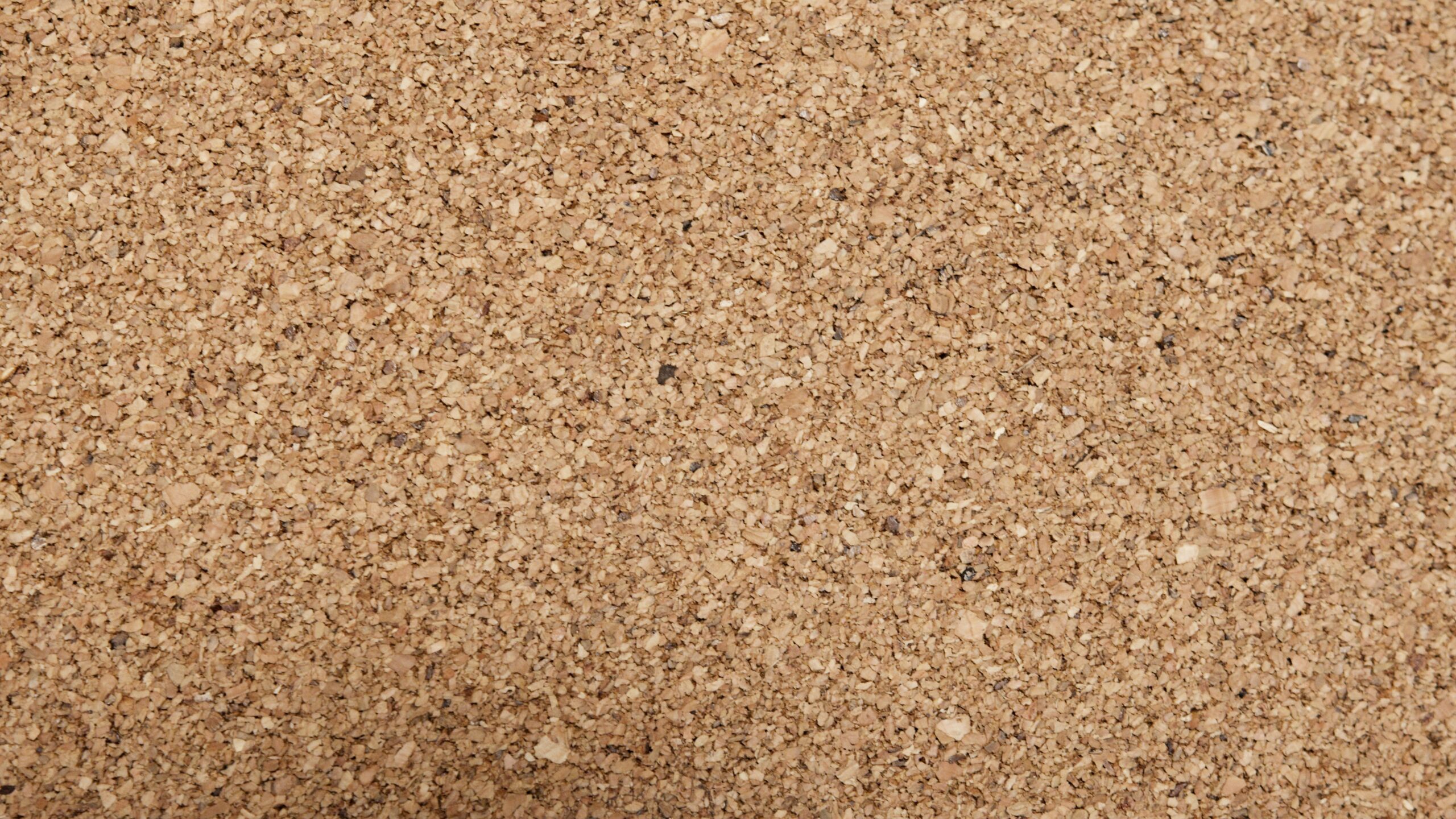
Natural thermal-resistant materials typically feature complex cellular structures with trapped air pockets that significantly reduce heat transfer. Cork, for example, contains millions of gas-filled cells per cubic centimeter, creating an exceptional barrier against both heat and cold.
Similarly, materials like sheep’s wool contain crimped fibers that trap air while naturally regulating moisture, preventing the condensation that often compromises synthetic insulation performance. This dual functionality demonstrates how nature optimizes multiple properties simultaneously rather than focusing on single-attribute solutions.
Nature’s Arsenal: Top Thermal-Resistant Materials from the Environment 🌎
The natural world offers an impressive variety of materials with remarkable thermal resistance properties. Many of these have been used for centuries by indigenous cultures before modern science validated their effectiveness.
Cork: The Mediterranean Wonder Material
Harvested from cork oak trees without harming the plant, cork stands as one of nature’s most versatile thermal insulators. Its cellular structure contains approximately 40 million cells per cubic centimeter, each filled with an air-like gas mixture that provides exceptional insulation.
Cork’s thermal conductivity ranges between 0.037 and 0.040 W/mK, comparable to many synthetic foam insulators. Beyond thermal resistance, cork offers fire resistance, acoustic insulation, and complete biodegradability, making it ideal for sustainable construction applications.
Sheep’s Wool: Ancient Insulation Rediscovered
Wool insulation has experienced a remarkable renaissance as builders recognize its superior performance characteristics. The crimped structure of wool fibers creates millions of tiny air pockets while the material’s natural ability to absorb and release moisture prevents condensation-related problems.
Studies show that wool insulation can absorb up to 33% of its weight in moisture without losing insulating properties, far exceeding synthetic alternatives. This moisture management capability significantly extends building lifespan by preventing mold growth and structural degradation.
Cellulose: Recycled Paper’s Second Life
Manufactured from recycled newspaper and cardboard, cellulose insulation demonstrates how waste materials can be transformed into high-performance thermal barriers. Treated with non-toxic fire retardants, cellulose provides R-values between 3.6 and 3.8 per inch of thickness.
The production of cellulose insulation requires significantly less energy than fiberglass manufacturing, reducing embodied carbon by up to 80%. This makes it an attractive option for carbon-conscious construction projects seeking LEED certification or similar green building standards.
Hempcrete: The Carbon-Negative Building Material
Made from hemp hurds (the woody core of hemp stalks) mixed with lime binder, hempcrete offers thermal resistance while actively sequestering carbon dioxide. During growth, hemp plants absorb substantial CO2, which remains locked within the material throughout its service life.
Hempcrete walls provide thermal mass that moderates indoor temperature fluctuations, reducing heating and cooling demands by up to 50% compared to conventional construction. The material’s breathability also creates healthier indoor environments by regulating humidity naturally.
Biomimicry: Learning from Nature’s Thermal Management Strategies 🦎
Biomimicry—the practice of emulating nature’s time-tested patterns and strategies—has inspired revolutionary advances in thermal-resistant material development. By observing how organisms survive extreme temperature conditions, researchers are creating innovative solutions that outperform traditional engineered materials.
Desert Adaptations Inspire Cooling Technologies
The Namibian fog-basking beetle survives in one of Earth’s harshest environments through specialized surface structures that manage water and temperature. This has inspired coating technologies that reflect solar radiation while allowing internal heat dissipation, reducing cooling requirements in buildings by up to 40%.
Similarly, the structural coloration of certain desert beetles provides insight into developing materials that reflect infrared radiation without using pigments that degrade over time. These bio-inspired surfaces maintain their cooling properties indefinitely without maintenance or repainting.
Polar Bear Hair: Nature’s Fiber Optic Insulation
Polar bear hair functions as hollow, transparent tubes that conduct ultraviolet light to the bear’s black skin while providing exceptional insulation. This principle has inspired the development of translucent insulation materials that allow passive solar heating while maintaining thermal barriers.
Researchers have created synthetic hollow fibers based on this model, achieving thermal resistance comparable to solid materials at a fraction of the weight—a critical advantage in aerospace and automotive applications where mass reduction directly impacts fuel efficiency.
Sustainable Manufacturing: Producing Thermal Materials Responsibly ♻️
The environmental benefits of natural thermal-resistant materials extend beyond their renewable origins to encompass manufacturing processes that minimize ecological impact. Sustainable production methods reduce energy consumption, eliminate toxic chemicals, and create closed-loop systems that generate minimal waste.
| Material | Energy to Produce (MJ/kg) | CO2 Emissions (kg/kg) | Recyclability |
|---|---|---|---|
| Fiberglass | 30-50 | 1.2-1.5 | Limited |
| Cellulose | 0.5-3.0 | 0.1-0.3 | High |
| Wool | 5.0-14.0 | 0.3-0.7 | High |
| Cork | 4.0-8.0 | 0.2-0.5 | Complete |
| Hempcrete | 2.0-5.0 | -0.1 (carbon negative) | Complete |
This comparison reveals the substantial environmental advantages of natural thermal materials, particularly regarding embodied energy and carbon footprint. As manufacturing technologies improve, these differentials will likely increase, making natural alternatives even more attractive economically.
Real-World Applications Transforming Industries 🏗️
Thermal-resistant natural materials are moving beyond niche applications to become mainstream solutions across diverse industries. Their adoption reflects growing recognition that sustainable materials can match or exceed conventional options in performance while delivering additional environmental and health benefits.
Green Building Revolution
The construction industry has emerged as the primary adopter of natural thermal materials, driven by increasingly stringent energy codes and growing consumer demand for healthy, sustainable homes. Cork and wool insulation are becoming standard specifications in high-performance building projects across Europe and North America.
Notable projects include the Bullitt Center in Seattle, considered one of the greenest commercial buildings globally, which uses cellulose insulation throughout. The building achieves net-zero energy consumption partly through superior thermal envelope performance enabled by natural materials.
Automotive and Aerospace Applications
Weight reduction remains a critical priority in transportation industries, where every kilogram directly impacts fuel consumption and emissions. Natural fiber composites reinforced with flax, hemp, or jute provide thermal resistance while reducing vehicle weight by up to 30% compared to traditional materials.
BMW, Mercedes-Benz, and other manufacturers now incorporate natural fiber composites in door panels, dashboards, and interior components. These materials offer comparable structural strength with superior thermal and acoustic insulation properties, enhancing passenger comfort while improving sustainability metrics.
Industrial Process Applications
High-temperature industrial processes require specialized thermal barriers that protect equipment and personnel while maintaining energy efficiency. Bio-based aerogels derived from cellulose or chitosan are emerging as sustainable alternatives to silica aerogels in industrial insulation applications.
These materials withstand temperatures exceeding 600°C while providing thermal conductivity as low as 0.015 W/mK—among the lowest of any solid material. Their production from renewable resources eliminates the environmental concerns associated with silica aerogel manufacturing.
Economic Advantages: The Business Case for Natural Thermal Materials 💰
Beyond environmental benefits, natural thermal-resistant materials offer compelling economic advantages that are driving market adoption. Total cost of ownership analyses increasingly favor natural alternatives when considering lifecycle performance, maintenance requirements, and disposal costs.
Initial material costs for natural insulators have decreased substantially as production scales up, with cellulose and wool now price-competitive with fiberglass in many markets. Cork remains premium-priced but offers superior longevity that justifies the investment in high-performance applications.
Energy savings from superior thermal performance typically recover any premium costs within 3-7 years, depending on climate and application. Buildings insulated with natural materials demonstrate 15-25% lower heating and cooling costs compared to minimally-compliant conventional construction.
Job Creation and Local Economic Development
The natural materials industry creates more jobs per dollar invested than conventional manufacturing, particularly in rural areas where raw materials are sourced. Hemp cultivation, wool processing, and cork harvesting provide sustainable livelihoods while regenerating agricultural landscapes.
Regional manufacturing facilities for natural insulation products are emerging globally, reducing transportation emissions while creating skilled manufacturing employment. This decentralized production model enhances economic resilience and reduces vulnerability to global supply chain disruptions.
Overcoming Implementation Challenges and Future Directions 🚀
Despite significant advantages, natural thermal materials face barriers to widespread adoption, including limited awareness among specifiers, inconsistent building code acceptance, and supply chain development challenges. Addressing these obstacles requires coordinated efforts among researchers, manufacturers, policymakers, and industry professionals.
Building code authorities in many jurisdictions lack familiarity with natural materials, creating approval delays that discourage adoption. Industry associations are working to develop standardized testing protocols and performance documentation that facilitate code compliance and streamline specification processes.
Innovation Pipeline: Next-Generation Materials
Research continues to expand the capabilities and applications of natural thermal materials. Emerging developments include:
- Mycelium-based insulation grown from fungal networks that can be shaped into custom configurations
- Seaweed-derived aerogels with exceptional thermal resistance and fire-retardant properties
- Nanocellulose composites that combine transparency with insulation for advanced glazing systems
- Phase-change materials integrated with natural fibers for dynamic thermal management
- Self-healing bio-composites that extend service life and reduce maintenance requirements
These innovations promise to expand the performance envelope of natural materials, enabling applications previously reserved for high-tech synthetic compounds. As production methods mature and costs decrease, natural thermal materials will become default choices rather than alternative options.
Taking Action: Implementing Natural Thermal Solutions Today 🌟
For individuals, businesses, and organizations interested in leveraging natural thermal-resistant materials, practical steps can be taken immediately to begin realizing benefits. Starting with small-scale applications builds familiarity and confidence before committing to larger implementations.
Homeowners renovating or building can specify natural insulation materials, requesting quotes that compare total lifecycle costs rather than just initial purchase prices. Many contractors now have experience with natural materials and can provide installation services comparable to conventional options.
Commercial building owners should engage design teams early to explore natural material options, particularly when pursuing green building certifications. LEED, BREEAM, and similar programs award additional points for bio-based materials, making them strategically valuable beyond their inherent performance advantages.
Manufacturers seeking to reduce product carbon footprints can investigate natural fiber composites as alternatives to synthetic materials in non-structural applications. Life cycle assessments often reveal surprising opportunities for material substitution without compromising performance or increasing costs.
The Path Forward: Building a Sustainable Material Future 🌱
The transition to natural thermal-resistant materials represents more than a technical shift—it reflects a fundamental reimagining of humanity’s relationship with the natural world. Rather than viewing nature as a resource to be extracted and processed, this approach recognizes ecosystems as repositories of sophisticated solutions refined through millions of years of evolution.
As climate change intensifies and resource constraints tighten, the materials that will thrive in coming decades are those that work with natural systems rather than against them. Thermal-resistant materials derived from renewable sources embody this principle, offering performance, sustainability, and economic viability in a single package.
The power of nature to provide solutions to our most pressing challenges is limited only by our willingness to learn its lessons and implement its wisdom. Thermal-resistant natural materials demonstrate that sustainability and performance are not competing priorities but complementary aspects of intelligent design.
By unleashing the power of nature through widespread adoption of these remarkable materials, we create buildings that breathe, industries that regenerate rather than deplete, and a built environment that enhances rather than degrades the natural systems upon which all life depends. The future of thermal materials is not synthetic—it’s organic, renewable, and already growing all around us.