
The architecture industry stands at a pivotal crossroads, where traditional building practices meet innovative sustainability solutions that promise to reshape our built environment for generations to come.

🌍 Understanding Circular Economy in Architectural Context
Circular economy represents a fundamental shift from the traditional linear “take-make-dispose” model that has dominated construction for centuries. In architectural terms, this transformative approach reimagines how we design, construct, use, and eventually repurpose buildings. Rather than viewing structures as temporary installations with predetermined end dates, circular architecture embraces a regenerative philosophy where materials circulate continuously through various life cycles.
The construction industry accounts for approximately 40% of global carbon emissions and consumes nearly half of all raw materials extracted worldwide. These staggering statistics underscore the urgent need for systemic change. Circular economy principles offer architects and developers a blueprint for reducing environmental impact while creating economic value through resource efficiency and innovation.
At its core, circular architecture prioritizes designing out waste, keeping products and materials in use, and regenerating natural systems. This means considering a building’s entire lifecycle from inception, selecting materials that can be recovered and reused, implementing modular design strategies, and planning for eventual disassembly rather than demolition.
🏗️ Design Strategies for Circular Buildings
Implementing circular economy principles begins at the drawing board. Architects must fundamentally rethink design methodologies to accommodate flexibility, adaptability, and material recovery. Design for disassembly (DfD) has emerged as a cornerstone strategy, enabling buildings to be deconstructed systematically with components recovered for future use.
Modular construction exemplifies circular thinking in action. By creating standardized building components manufactured off-site, architects achieve multiple objectives simultaneously: reducing construction waste, improving quality control, shortening build times, and facilitating future modifications or complete relocation. These prefabricated elements can be connected using mechanical fasteners rather than permanent adhesives, ensuring reversibility.
Material Selection and Lifecycle Thinking
Choosing appropriate materials represents perhaps the most critical decision in circular architecture. Designers must evaluate materials not just on aesthetic or structural qualities but through a comprehensive lifecycle lens. This assessment considers embodied carbon, durability, potential for reuse, recyclability, toxicity, and renewable sourcing.
Bio-based materials like timber, bamboo, cork, and mycelium composites offer renewable alternatives to carbon-intensive concrete and steel. Responsibly sourced wood sequesters carbon throughout a building’s lifespan, effectively transforming structures into carbon sinks. Cross-laminated timber (CLT) technology has revolutionized wooden construction, enabling multi-story buildings that rival traditional materials in strength while maintaining environmental advantages.
Reclaimed and recycled materials provide another pathway toward circularity. Salvaged bricks, reclaimed timber, recycled steel, and even upcycled plastic components demonstrate that waste from one project can become valuable resources for another. Material passports—digital records documenting a building’s material composition—facilitate future recovery by creating transparency about what materials exist and how to access them.
♻️ Closing the Loop: From Construction to Deconstruction
Traditional demolition treats buildings as monolithic waste streams destined for landfills. Circular architecture inverts this paradigm through selective deconstruction that recovers valuable materials and components. This approach requires forethought during design, documentation systems that track materials, and construction techniques that permit non-destructive disassembly.
The concept of buildings as material banks recognizes that structures contain vast repositories of resources that represent future supply chains. Urban mining—extracting materials from existing buildings—can potentially meet significant portions of future material demand. Studies suggest that recovered materials could supply up to 25% of construction needs in developed nations by 2050.
Adaptive Reuse and Renovation Excellence
Preserving and repurposing existing structures embodies circular principles at the building scale. Adaptive reuse transforms obsolete buildings into contemporary spaces while retaining structural elements, thereby avoiding the environmental costs of demolition and new construction. Warehouses become residential lofts, churches transform into community centers, and industrial facilities evolve into creative workspaces.
Renovation projects that improve energy efficiency, indoor air quality, and functionality extend building lifespans while reducing environmental footprints. Deep energy retrofits can reduce operational energy consumption by 50-90%, demonstrating that older buildings need not be environmental liabilities when thoughtfully upgraded.
💡 Technology Enabling Circular Transitions
Digital technologies accelerate circular economy implementation across architecture. Building Information Modeling (BIM) creates comprehensive digital representations that track materials throughout construction and occupation. These models become invaluable resources during renovations or deconstruction, providing detailed inventories and assembly instructions.
Artificial intelligence and machine learning optimize material selection, predict maintenance needs, and identify opportunities for component reuse. Digital platforms connect suppliers of reclaimed materials with architects seeking sustainable alternatives, creating marketplaces that facilitate circular material flows. Blockchain technology offers potential for immutable material passports that follow components across multiple lifecycles.
Smart building systems optimize resource consumption during operation, reducing water and energy waste through responsive technologies. Sensors monitor structural health, environmental conditions, and occupancy patterns, enabling predictive maintenance that extends component lifespans and prevents premature replacement.
🌱 Regenerative Design Beyond Sustainability
While circular economy principles minimize harm, regenerative design aspires to create net-positive impacts. This ambitious approach integrates buildings with natural ecosystems, restoring ecological functions and enhancing biodiversity. Green roofs and living walls provide habitat, manage stormwater, improve air quality, and regulate building temperatures.
Biophilic design connects building occupants with nature through natural lighting, vegetation, water features, and materials that evoke natural environments. Research demonstrates that biophilic elements improve psychological wellbeing, productivity, and healing rates in healthcare settings. These human-centered benefits complement environmental advantages, creating holistic value.
Water and Energy Circularity
Circular thinking extends beyond solid materials to resource flows. Closed-loop water systems capture, treat, and reuse wastewater on-site, dramatically reducing municipal water demand. Rainwater harvesting, greywater recycling, and blackwater treatment technologies enable buildings to approach water self-sufficiency.
Renewable energy generation through solar panels, wind turbines, and geothermal systems transforms buildings from energy consumers to producers. Battery storage systems optimize consumption patterns, while smart grids enable buildings to share surplus energy. Net-zero and net-positive energy buildings demonstrate technical feasibility, with costs declining as technologies mature.
📊 Economic Opportunities in Circular Architecture
Circular economy principles create compelling economic opportunities alongside environmental benefits. Resource efficiency reduces material costs, while design strategies that accommodate flexibility and longevity protect asset values against obsolescence. Buildings designed for adaptability maintain market relevance across changing user needs and economic conditions.
The emerging market for reclaimed materials and components generates employment in deconstruction, refurbishment, and resale sectors. Specialized businesses focusing on material recovery, certification, and redistribution create economic value from waste streams previously considered worthless. This circular economy ecosystem diversifies construction industry revenue streams while reducing environmental impacts.
Green building certifications like LEED, BREEAM, and Living Building Challenge recognize circular economy achievements, enhancing property values and marketability. Studies consistently show that certified buildings command rental premiums, achieve higher occupancy rates, and sell at higher prices than conventional counterparts. Investors increasingly recognize sustainability as material to long-term financial performance.
🚧 Overcoming Implementation Barriers
Despite compelling benefits, circular architecture faces implementation challenges. Regulatory frameworks developed for linear construction often inadvertently penalize circular approaches. Building codes may not recognize innovative materials, zoning restrictions might prevent adaptive reuse, and permitting processes can favor new construction over renovation.
Industry culture and established practices create inertia resistant to change. Construction professionals trained in conventional methods may lack familiarity with circular techniques. Supply chains optimized for virgin materials struggle to accommodate reclaimed alternatives. Financing structures that favor proven approaches over innovative methods can discourage circular experimentation.
Education and Capacity Building
Transitioning toward circular architecture requires workforce development at all levels. Architecture schools must integrate circular economy principles into curricula, ensuring emerging professionals understand regenerative design fundamentals. Continuing education programs help practicing architects adopt circular strategies, while trade certifications train construction workers in specialized techniques like careful deconstruction.
Collaborative knowledge sharing accelerates adoption across the industry. Case studies documenting successful circular projects provide roadmaps for others to follow. Professional networks facilitate connections between practitioners exploring similar challenges, while open-source resources democratize access to circular design tools and methodologies.
🌐 Policy Frameworks Supporting Circular Transitions
Government policies significantly influence circular economy adoption rates. Progressive jurisdictions implement regulations requiring deconstruction rather than demolition, mandating minimum recycled content in public projects, or restricting landfill disposal of construction materials. These regulatory mechanisms create level playing fields where circular approaches compete fairly against conventional alternatives.
Financial incentives encourage voluntary adoption beyond regulatory minimums. Tax credits for building renovations, expedited permitting for adaptive reuse projects, and grants supporting innovative material research reduce economic barriers. Public procurement policies that prioritize circular criteria leverage government purchasing power to stimulate market transformation.
Extended producer responsibility schemes shift end-of-life management costs to manufacturers, incentivizing durable design and material recovery infrastructure. Carbon pricing mechanisms internalize environmental externalities, making resource-efficient circular approaches economically advantageous relative to wasteful linear alternatives.
🔮 Envisioning Tomorrow’s Built Environment
The convergence of circular economy principles, technological innovation, and societal environmental awareness creates unprecedented opportunities to reimagine architecture. Future buildings may function as dynamic material repositories, with components routinely exchanged as needs evolve. Standardized connection systems could enable wholesale reconfiguration, with buildings growing, shrinking, or transforming purposes throughout extended lifespans.
Advanced materials science promises components that self-repair, adapt to environmental conditions, or biodegrade harmlessly when no longer needed. Biological manufacturing techniques could grow structural elements from mycelium or bacteria, creating carbon-negative materials that integrate seamlessly with natural ecosystems. The boundary between built and natural environments may blur as living buildings actively participate in ecological processes.
Urban environments embracing circular principles could achieve remarkable resource productivity. Cities might mine their existing building stocks for materials, dramatically reducing virgin resource extraction. Localized manufacturing hubs could produce customized components from recovered materials, creating distributed supply chains with minimal transportation impacts. These circular cities would function as regenerative ecosystems rather than extractive consumers.
🤝 Collaborative Action for Systemic Change
Realizing circular architecture’s potential requires coordinated action across stakeholders. Architects must champion circular principles with clients, demonstrating long-term value propositions. Developers need courage to pioneer innovative approaches despite higher perceived risks. Material manufacturers should redesign products for disassembly and develop take-back programs ensuring recovery.
Policymakers bear responsibility for creating enabling regulatory environments that remove barriers and incentivize circular innovation. Financial institutions must develop assessment frameworks recognizing circular economy benefits in risk evaluations and lending decisions. Educational institutions should prepare future professionals with knowledge and mindsets aligned with regenerative principles.
Building occupants ultimately determine success through usage patterns and expectations. Cultivating appreciation for durability over disposability, quality over quantity, and sufficiency over excess creates cultural foundations supporting circular economy transitions. When society values longevity, adaptability, and environmental stewardship, market demand naturally shifts toward circular offerings.
🌟 The Imperative of Circular Transformation
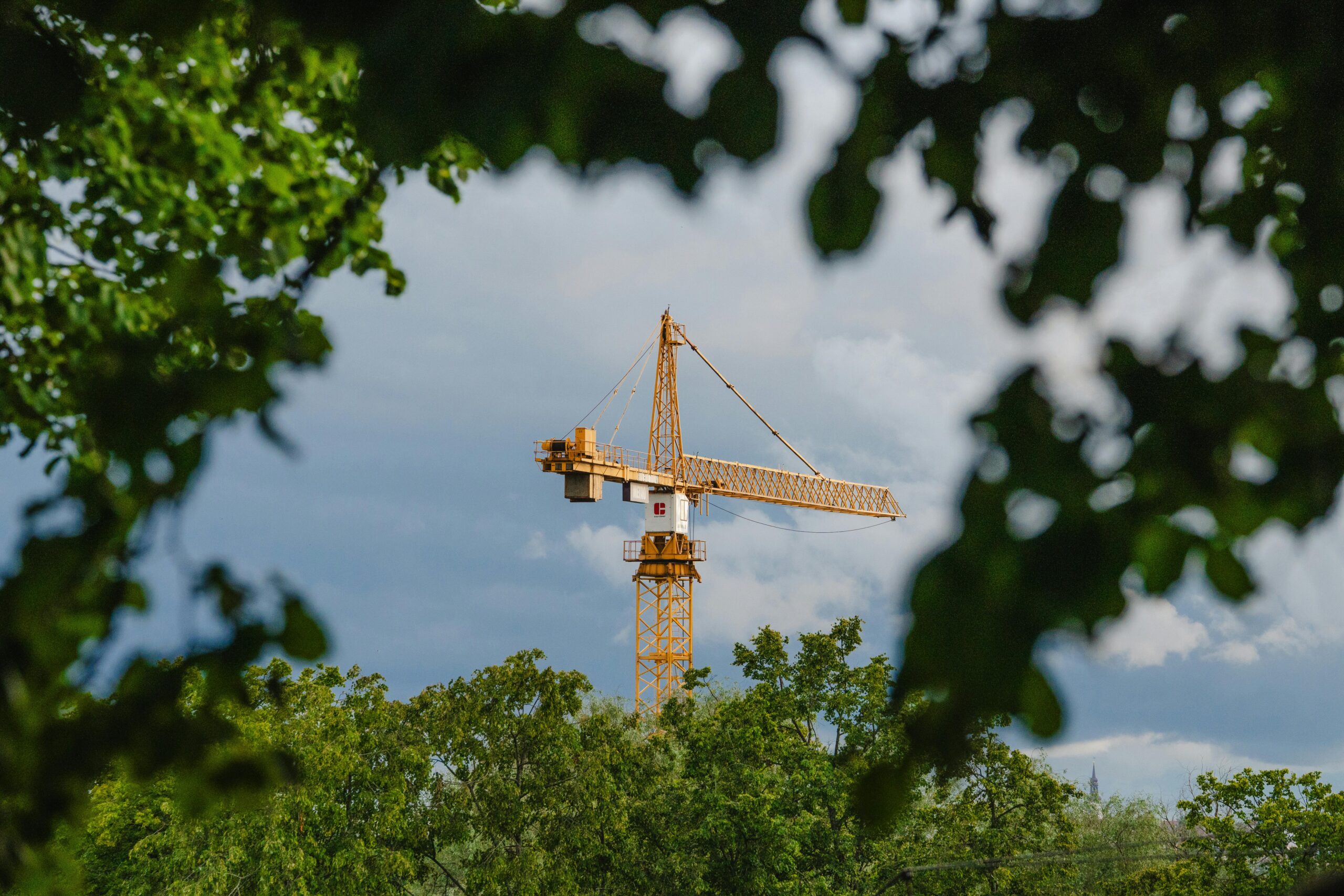
Climate change, resource depletion, and biodiversity loss demand fundamental transformations in how humanity inhabits the planet. Architecture profoundly shapes environmental impacts, resource consumption patterns, and quality of life for billions of people. Embracing circular economy principles represents not merely an option but an imperative for the built environment sector.
The transition toward circular architecture unfolds across multiple timescales. Individual projects demonstrate technical feasibility and showcase benefits. Accumulated experience builds industry capacity and refines best practices. Policy evolution creates supportive frameworks that mainstream circular approaches. Cultural shifts in values and expectations cement circular principles as normal rather than exceptional.
Every building designed with circular principles, every adaptive reuse project breathing new life into existing structures, and every material recovered for subsequent use contributes to systemic transformation. Collectively, these actions accumulate into fundamental changes in how architecture serves human needs while respecting planetary boundaries. The journey toward truly sustainable built environments has begun, with circular economy principles lighting the path forward.
This transformation challenges architecture to evolve beyond creating beautiful spaces toward orchestrating regenerative systems that enhance rather than degrade the world. It demands creativity, collaboration, and courage to pioneer approaches departing from conventional wisdom. Yet the alternative—continuing extractive practices incompatible with ecological limits—simply isn’t viable. Circular architecture offers a credible pathway toward buildings that contribute to thriving communities, resilient ecosystems, and a sustainable future for all.