
Vibrational sound therapy is emerging as a transformative wellness practice, blending ancient wisdom with modern science to restore balance, reduce stress, and elevate well-being through healing frequencies.

🎵 Understanding the Foundation of Vibrational Sound Therapy
At its core, vibrational sound therapy operates on a principle as old as existence itself: everything in the universe vibrates at specific frequencies. From the cells in our bodies to the planets in our solar system, vibration is the fundamental language of nature. When we experience stress, illness, or emotional turmoil, our natural frequencies become disrupted, creating disharmony within our physical and energetic systems.
Vibrational sound therapy works to restore these natural frequencies through the intentional application of specific sound waves and vibrations. Instruments such as singing bowls, tuning forks, gongs, and even the human voice produce resonant frequencies that interact with our body’s own vibrational patterns. This interaction creates what practitioners call “entrainment” – a phenomenon where one vibrating system causes another to synchronize with its frequency.
The science behind this ancient practice is becoming increasingly validated by modern research. Studies show that sound vibrations can influence brainwave patterns, reduce cortisol levels, improve circulation, and even affect cellular function. When we expose ourselves to healing frequencies, our nervous system responds by shifting from sympathetic (fight-or-flight) to parasympathetic (rest-and-digest) mode, creating the ideal conditions for healing and restoration.
The Biological Impact of Sound Frequencies on Your Body
Our bodies are approximately 70% water, making them exceptional conductors of sound vibrations. When therapeutic sound waves pass through our tissues, they create a ripple effect that extends from the surface of our skin deep into our organs, bones, and cellular structures. This physical transmission of vibration initiates a cascade of beneficial responses throughout multiple body systems.
The nervous system is particularly responsive to vibrational sound therapy. Research demonstrates that specific frequencies can stimulate the vagus nerve, which plays a crucial role in regulating heart rate, digestion, and inflammatory responses. By activating this important neural pathway, sound therapy helps shift the body into a state of deep relaxation where natural healing processes can flourish.
Beyond the nervous system, sound vibrations influence our endocrine function by affecting hormone production and release. Sessions involving low-frequency sounds have been shown to reduce cortisol while increasing production of endorphins and serotonin – our body’s natural mood elevators. This biochemical shift explains why people often report feeling euphoric or deeply peaceful after a sound therapy session.
Brainwave Entrainment and Consciousness States
One of the most fascinating aspects of vibrational sound therapy is its ability to guide brainwave patterns into specific states of consciousness. Our brains naturally produce electrical activity at different frequencies depending on our mental state, and sound therapy can deliberately induce these patterns for therapeutic benefit.
Beta waves (14-30 Hz) characterize our normal waking consciousness, while alpha waves (8-13 Hz) emerge during relaxed, meditative states. Theta waves (4-7 Hz) appear during deep meditation and light sleep, and delta waves (0.5-3 Hz) dominate during deep, restorative sleep. Sound therapy instruments can be tuned to encourage any of these states, making it possible to facilitate deep relaxation, enhanced creativity, or improved sleep quality based on individual needs.
🧘♀️ Traditional Instruments and Their Unique Healing Properties
The instruments used in vibrational sound therapy each possess distinctive acoustic properties that create specific therapeutic effects. Understanding these differences helps practitioners and recipients alike choose the most appropriate tools for particular healing intentions.
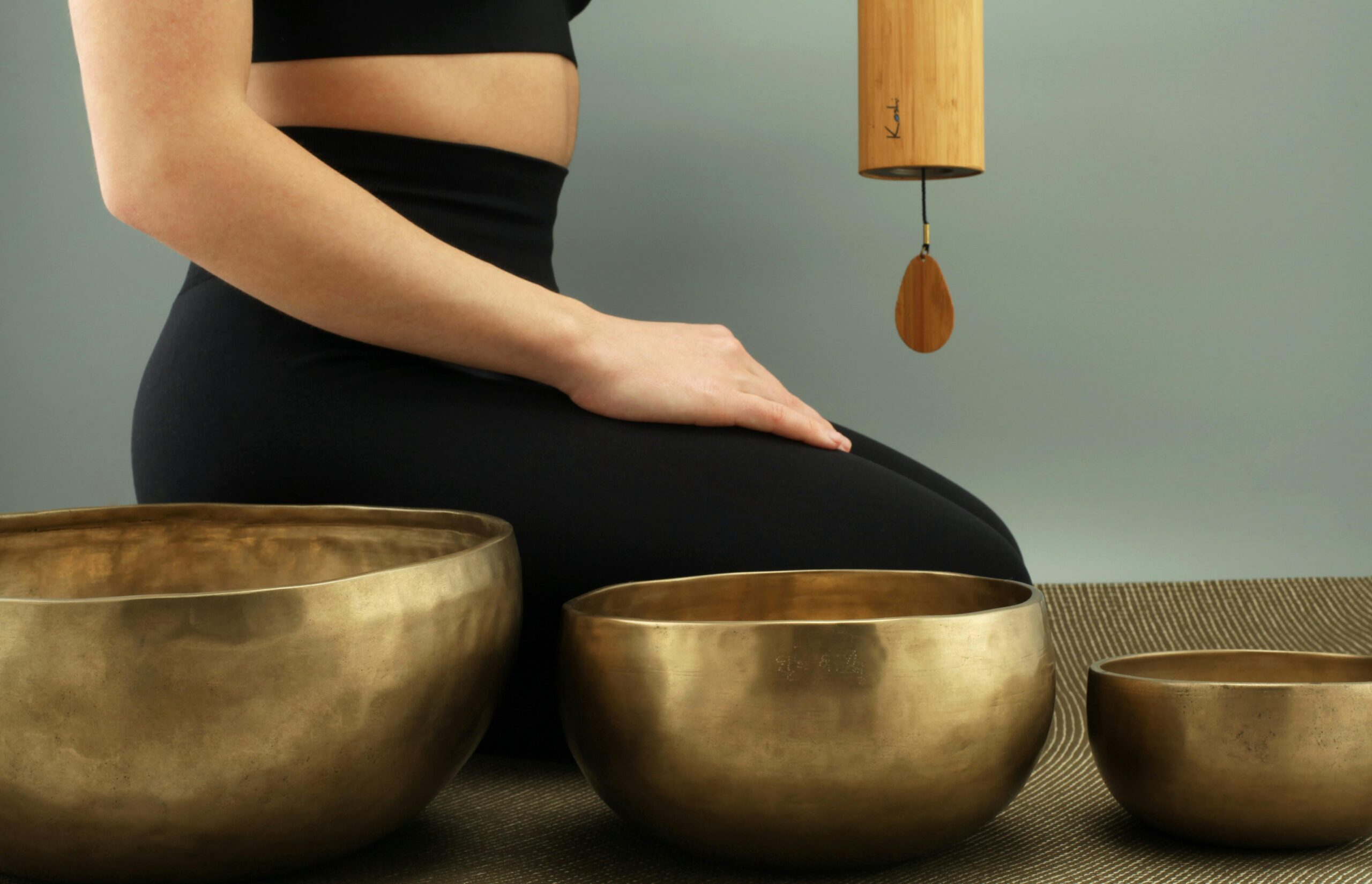
Tibetan singing bowls produce rich, layered overtones that create complex vibrational patterns. Traditionally made from seven sacred metals corresponding to celestial bodies, these bowls generate frequencies that promote deep meditation and cellular regeneration. When placed directly on the body, the vibrations penetrate deep into tissues, creating a massage-like effect at the cellular level.
Crystal singing bowls, crafted from pure quartz, produce clear, penetrating tones that resonate powerfully with the body’s crystalline structures, including bones, cells, and even DNA. Each bowl is typically tuned to correspond with specific chakras or energy centers, making them ideal for targeted energetic work alongside physical healing.
Tuning Forks: Precision Frequency Medicine
Tuning forks represent the precision instruments of sound therapy, offering exact frequencies for targeted therapeutic applications. Weighted forks applied directly to the body transmit vibrations through bones and tissues, while unweighted forks held near the ears create auditory entrainment effects on the brain and nervous system.
Common therapeutic frequencies include 528 Hz (associated with DNA repair and transformation), 432 Hz (considered the natural frequency of the universe), and the Solfeggio frequencies, an ancient scale believed to have profound spiritual and physical healing properties. Practitioners often use multiple forks in sequence or combination to address complex conditions or create layered healing effects.
Creating Sacred Space: Designing Your Sound Therapy Environment
The environment in which sound therapy occurs significantly influences its effectiveness. Creating an intentional, harmonious space amplifies the therapeutic benefits by minimizing distractions and maximizing receptivity. Whether you’re a practitioner designing a professional studio or an individual creating a home practice space, certain elements enhance the sound therapy experience.
Acoustic considerations form the foundation of effective sound therapy spaces. Rooms with too much echo can create muddy, confusing sound fields, while overly dampened spaces may feel flat and lifeless. The ideal environment balances reflection and absorption, allowing sounds to develop fully while maintaining clarity. Natural materials like wood, stone, and fabric contribute to pleasant acoustic properties while creating a grounding, earthy atmosphere.
Lighting plays a subtle but important role in setting the therapeutic tone. Harsh fluorescent lights activate our alertness systems, counteracting the relaxation we’re trying to achieve. Soft, warm lighting or natural daylight filtered through curtains creates the gentle ambiance conducive to deep relaxation. Many practitioners incorporate Himalayan salt lamps or candles to add both visual warmth and negative ions that purify the air.
Incorporating Supporting Elements for Enhanced Experience
Temperature control ensures physical comfort throughout the session. As the body enters deep relaxation, metabolic rate decreases and people often feel cooler. Having blankets available and maintaining a slightly warm room temperature prevents discomfort from disrupting the therapeutic process.
Aromatherapy complements sound therapy beautifully when used judiciously. Scents like lavender, frankincense, and sandalwood enhance relaxation without overwhelming the senses. The key is subtlety – aromatherapy should support rather than dominate the sensory experience, as sound remains the primary therapeutic modality.
💫 Therapeutic Applications: From Stress to Chronic Pain
Vibrational sound therapy demonstrates remarkable versatility in addressing a wide spectrum of health concerns. While it should never replace conventional medical treatment for serious conditions, it serves as a powerful complementary therapy that enhances overall healing and well-being.
For stress and anxiety management, sound therapy offers immediate and cumulative benefits. Even a single session can dramatically reduce stress markers, while regular practice builds resilience to future stressors. The deeply relaxing qualities of therapeutic sound create a respite from our overstimulated modern lives, allowing the nervous system to reset and recalibrate.
Sleep disorders respond particularly well to sound therapy interventions. By guiding brainwaves into theta and delta frequencies, sound sessions prepare the nervous system for quality sleep. Many people who struggle with insomnia find that regular sound therapy sessions improve both sleep onset and sleep quality, often reducing or eliminating the need for sleep medications.
Pain Management Through Vibrational Medicine
Chronic pain sufferers often discover significant relief through regular sound therapy practice. The mechanisms are multifaceted: vibrations improve circulation to affected areas, reduce inflammation, interrupt pain signaling pathways, and trigger endorphin release. Additionally, the deep relaxation achieved during sessions reduces muscle tension that often exacerbates pain conditions.
Fibromyalgia, arthritis, migraines, and post-surgical pain have all shown positive responses to sound therapy in clinical studies. While individual results vary, many people experience reduced pain intensity, fewer pain episodes, and decreased reliance on pain medications when incorporating sound therapy into their treatment protocols.
Integrating Sound Therapy into Your Daily Wellness Routine
You don’t need to visit a professional practitioner to experience the benefits of vibrational sound therapy, though professional sessions offer unique advantages. Creating a personal sound therapy practice at home provides ongoing support for your health and well-being, with practices ranging from simple to sophisticated based on your interests and resources.
Beginning a home practice can be as simple as using your voice. Toning – the sustained vocalization of vowel sounds – creates vibrations that originate within your own body, making it an intimate and powerful form of self-healing. The sound “Om” or “Aum” has been used for millennia precisely because its frequency creates beneficial vibrations throughout the body, particularly in the chest and head.
For those interested in instrument-based practice, a single high-quality singing bowl provides an excellent starting point. Learn to play it with proper technique, exploring how different striking points and mallets create varied tones. Experiment with placing the bowl on different parts of your body to experience direct vibrational transmission.
Technology-Assisted Sound Therapy Options
Modern technology offers accessible entry points to sound therapy practice. Numerous apps provide binaural beats, isochronic tones, and recorded sound bath experiences that deliver therapeutic benefits through regular headphones. While these don’t replicate the full-body vibrational experience of live instruments, they effectively influence brainwave patterns and create relaxation responses.
Binaural beats work by presenting slightly different frequencies to each ear, causing the brain to perceive a third frequency equal to the mathematical difference between them. This perceived frequency can be designed to encourage specific brainwave states, making binaural beats excellent tools for meditation, focus, or sleep preparation.
🌟 Professional Sound Therapy: What to Expect from Your Session
Professional sound therapy sessions offer deeply immersive experiences that transcend what’s typically achievable through self-practice. Understanding what to expect helps you approach your first session with appropriate expectations and openness.
Most sessions begin with a brief consultation where the practitioner learns about your intentions, health concerns, and any specific areas requiring attention. This information guides their choice of instruments, frequencies, and treatment approach. You’ll typically lie comfortably on a massage table or mat, fully clothed, with supportive cushions and blankets.
The session itself usually lasts 60-90 minutes, beginning with grounding techniques to help you settle into receptivity. The practitioner then creates a sound journey using various instruments, often starting with higher frequencies and gradually moving toward deeper, more grounding tones. Some practitioners place instruments directly on or around your body for targeted vibrational therapy.
Processing Your Experience After the Session
The effects of sound therapy continue unfolding after the session ends. Many people report feeling somewhat altered or spacey immediately afterward – this is normal and reflects the deep state of relaxation achieved. Practitioners typically recommend drinking plenty of water, resting if possible, and avoiding intense activities for several hours.
Some people experience what practitioners call “healing responses” in the days following a session. These might include temporary emotional releases, vivid dreams, changes in sleep patterns, or even temporary intensification of symptoms before improvement occurs. These responses indicate that deep healing processes have been activated and should be viewed as positive signs of transformation.
Scientific Research: Validating Ancient Wisdom
While sound healing has been practiced for thousands of years across numerous cultures, contemporary scientific research is now providing empirical validation for these traditional approaches. Studies using rigorous methodologies are demonstrating measurable physiological and psychological benefits of vibrational sound therapy.
Research published in the Journal of Evidence-Based Integrative Medicine found that participants in a sound meditation using Tibetan singing bowls showed significantly reduced tension, anger, fatigue, and depressed mood compared to baseline measurements. The study also documented decreased heart rate and blood pressure, indicating activation of the parasympathetic nervous system.
Neuroscientific studies using EEG technology confirm that sound therapy effectively alters brainwave patterns, inducing states associated with deep relaxation and meditation. These brain state changes correspond with reported subjective experiences of peace, expanded awareness, and mental clarity, creating a bridge between ancient wisdom traditions and modern neuroscience.
🎼 Personalizing Your Sound Therapy Journey
The most effective sound therapy practice is one tailored to your unique constitution, preferences, and healing needs. What resonates deeply with one person may feel neutral or even uncomfortable to another, making personalization essential for optimal results.
Begin by noticing which sounds naturally attract you. Do you prefer the crystalline clarity of crystal bowls or the warm, complex tones of metal bowls? Are you drawn to the dramatic crescendos of gongs or the gentle, precise frequencies of tuning forks? Your intuitive preferences often align with what your system most needs for healing and balance.
Consider your specific wellness goals when designing your practice. If sleep improvement is your primary objective, focus on sessions emphasizing delta and theta frequencies in the evening. For anxiety management, practices incorporating breath work with toning or alpha-frequency instruments provide powerful relief. Energy and focus enhancement respond well to higher frequency instruments and shorter, more frequent sessions.
Building Consistency for Cumulative Benefits
While even a single sound therapy session provides noticeable benefits, the most profound transformations occur through regular practice. Consistency allows your nervous system to develop new patterns of regulation, your body to release deeply held tensions, and your consciousness to access expanded states with greater ease.
Start with a manageable commitment – perhaps one professional session monthly supplemented by brief daily home practices. As you experience the benefits, you’ll likely find yourself naturally drawn to increase your engagement. The key is creating sustainable practices that feel nurturing rather than obligatory, supporting your wellness journey without adding stress.
Harmony as a Lifestyle: Beyond the Sound Session
The principles underlying vibrational sound therapy extend far beyond formal practice sessions. Understanding that we’re constantly influenced by the vibrational environment around us empowers us to make choices that support our well-being throughout daily life.
The sounds in our everyday environment significantly impact our nervous system and overall health. Chronic exposure to harsh, jarring sounds creates cumulative stress, while harmonious soundscapes support relaxation and well-being. Consider the sonic environment of your home and workspace – can you reduce noise pollution, incorporate natural sounds, or play gentle music that supports rather than stimulates?
Music selection matters more than we typically recognize. While high-energy music has its place, regularly immersing ourselves in harmonically rich, slowly paced music with natural frequencies supports our body’s innate healing capacities. Many streaming services now offer curated playlists specifically designed for healing, featuring music at therapeutic frequencies like 432 Hz and 528 Hz.
🌈 Embracing Vibrational Wellness as Your Birthright
Vibrational sound therapy represents a return to something fundamental and ancient – the understanding that healing happens naturally when we create the right conditions. In our modern world of pharmaceutical interventions and technological solutions, sound therapy offers something refreshingly simple yet profoundly effective: the restoration of our natural harmonic state.
The beauty of this practice lies in its accessibility. Whether you invest in professional sessions, learn to work with traditional instruments, or simply begin humming while washing dishes, you’re engaging with principles that have supported human health and spiritual development for millennia. There’s no wrong way to begin, and the practice naturally deepens as you continue exploring.
As research continues validating what ancient practitioners intuitively understood, sound therapy is rightfully taking its place alongside other evidence-based complementary therapies. Its non-invasive nature, absence of side effects, and broad applicability make it suitable for nearly everyone, from children to elders, from athletes to those managing chronic illness.
Your body already knows how to heal – sound therapy simply reminds it of its natural frequency. By incorporating these practices into your wellness routine, you’re not adding something foreign but rather removing the interference that prevents your innate healing intelligence from functioning optimally. This shift in perspective transforms sound therapy from another wellness obligation into a joyful homecoming to your most balanced, vital self.
The journey toward harmonized health through vibrational sound therapy is deeply personal yet universally accessible. It requires no special beliefs, no particular lifestyle changes, just a willingness to receive the healing vibrations that resonate with your unique frequency. As you continue exploring this ancient yet ever-relevant practice, you may discover that the path to wellness has been humming quietly within you all along, waiting for you to tune in and listen.