
Modern lighting technology has evolved beyond simple illumination, offering sophisticated systems that mirror natural daylight patterns to support our biological rhythms and transform how we live and work.

🌅 Understanding Circadian Lighting: More Than Just Brightness
Circadian lighting systems represent a revolutionary approach to indoor illumination that goes far beyond traditional lighting solutions. These intelligent systems are designed to replicate the natural progression of sunlight throughout the day, supporting our body’s internal clock—the circadian rhythm—which governs sleep-wake cycles, hormone production, and numerous physiological processes.
The human body evolved over millennia to respond to natural light patterns. Our ancestors woke with sunrise and wound down with sunset, their bodies perfectly synchronized with the earth’s rotation. However, modern indoor lifestyles have disrupted this natural harmony, leading to what researchers call “circadian disruption”—a condition linked to sleep disorders, reduced productivity, mood disturbances, and various health concerns.
Circadian lighting technology addresses this modern dilemma by incorporating dynamic color temperature and intensity adjustments that change throughout the day. Morning light appears cooler and brighter, mimicking the energizing qualities of dawn. As the day progresses toward evening, the system gradually shifts toward warmer, dimmer tones that signal the body to prepare for rest.
🧠 The Science Behind Light and Human Performance
The connection between lighting and human well-being operates through specialized photoreceptors in our eyes called intrinsically photosensitive retinal ganglion cells (ipRGCs). These cells are particularly sensitive to blue-enriched light in the 460-480 nanometer range, which sends signals directly to the suprachiasmatic nucleus—the brain’s master clock.
When exposed to cool, blue-enriched light during morning and midday hours, these photoreceptors trigger several beneficial responses:
- Suppression of melatonin production, promoting alertness and focus
- Increased cortisol levels that enhance energy and cognitive function
- Elevated core body temperature supporting physical performance
- Enhanced serotonin synthesis improving mood and concentration
- Improved reaction times and decision-making capabilities
Conversely, exposure to warm, dim lighting in evening hours allows melatonin production to rise naturally, facilitating the transition toward restful sleep. This hormone not only promotes drowsiness but also supports cellular repair, immune function, and metabolic regulation during nighttime hours.
Research-Backed Benefits in Real-World Settings
Multiple studies have documented impressive improvements when circadian lighting systems are implemented in various environments. A Northwestern University study found that office workers exposed to circadian-effective lighting experienced 46 minutes more sleep per night and reported significantly better sleep quality compared to those in conventional lighting environments.
Healthcare facilities implementing these systems have observed reduced agitation in dementia patients, shorter hospital stays, and improved staff performance during night shifts. Educational institutions report enhanced student attention spans, better test scores, and reduced behavioral issues when classrooms incorporate dynamic lighting solutions.
💼 Transforming Workplace Productivity Through Intelligent Lighting
The modern workplace presents unique lighting challenges. Many employees spend entire days in artificially lit environments with minimal exposure to natural sunlight, leading to what researchers term “light deficiency syndrome.” This condition manifests as afternoon fatigue, difficulty concentrating, and disrupted sleep patterns that compound over time.
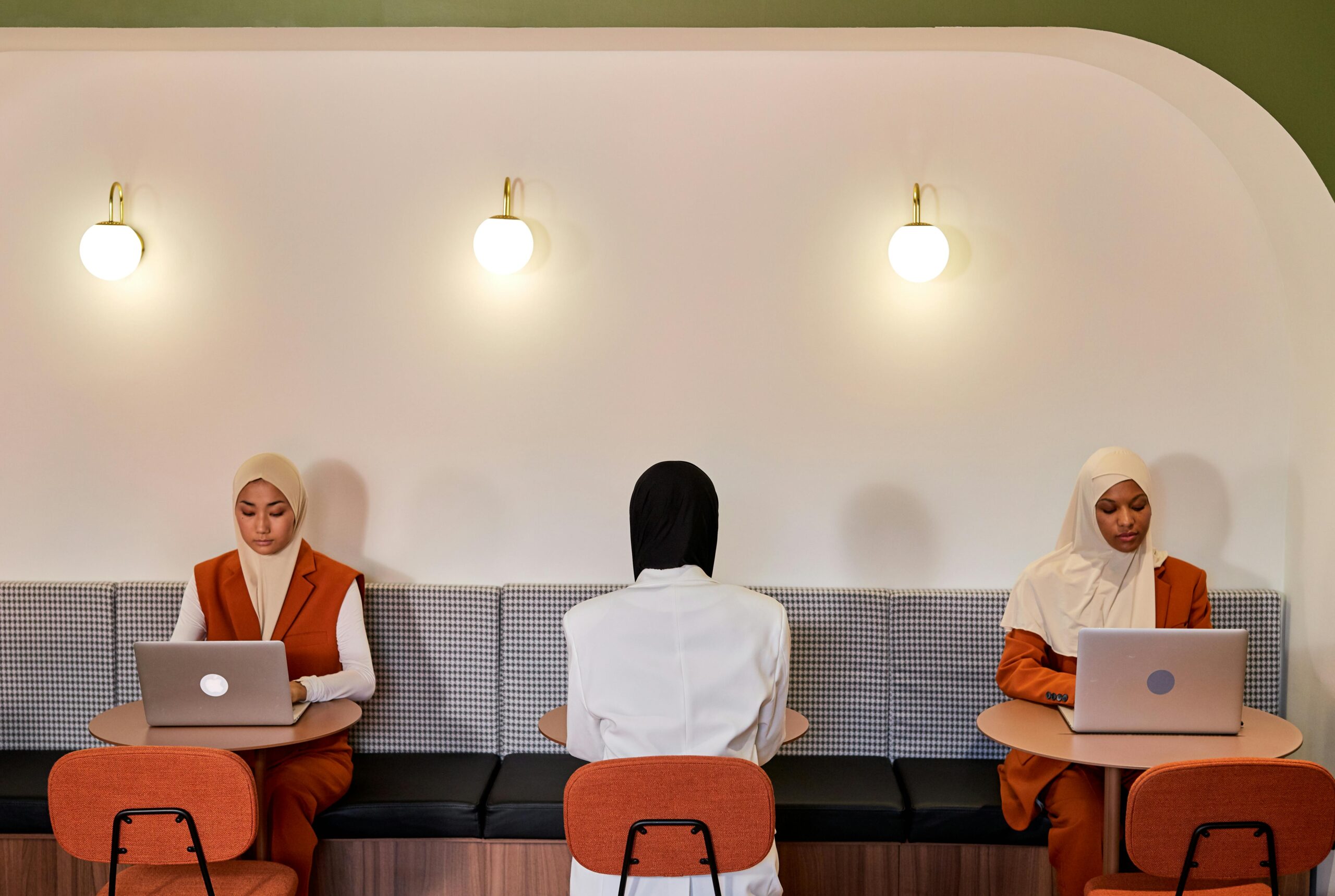
Circadian lighting systems offer a practical solution for organizations seeking to optimize employee performance and well-being. By providing biologically appropriate light exposure throughout the workday, these systems help maintain alertness, reduce eye strain, and support sustained cognitive performance.
Measurable Workplace Improvements
Organizations implementing circadian lighting report tangible benefits across multiple metrics. A German study examining office environments found that workers under dynamic lighting systems demonstrated 15% higher productivity rates and 23% fewer errors compared to control groups with standard fluorescent lighting.
Employee satisfaction surveys consistently show improvements in perceived work environment quality, with reduced complaints about headaches, eyestrain, and afternoon energy crashes. These subjective improvements translate into concrete business outcomes including reduced absenteeism, lower turnover rates, and enhanced employee engagement.
The financial implications extend beyond productivity gains. Companies investing in circadian lighting often see reduced healthcare costs, fewer workplace accidents, and improved recruitment outcomes as workplace wellness becomes an increasingly valued benefit among job seekers.
🏠 Bringing Circadian Benefits Home: Residential Applications
While workplace implementations generate significant attention, residential circadian lighting systems offer equally compelling benefits for home environments. Our homes should serve as sanctuaries supporting restorative rest and family well-being, yet conventional lighting often undermines these goals.
Many people unknowingly sabotage their sleep quality through evening exposure to blue-enriched light from overhead fixtures, screens, and energy-efficient LED bulbs. These light sources suppress melatonin production precisely when the body should be preparing for rest, leading to difficulty falling asleep, reduced sleep quality, and next-day fatigue.
Creating Sleep-Supportive Home Environments
Residential circadian lighting systems address these challenges through intelligent automation and zone-specific programming. Bedrooms can be configured to provide energizing cool light during morning hours, helping family members wake naturally and start their day alert. As evening approaches, these same fixtures automatically transition to warmer tones that support the body’s natural wind-down process.
Living areas benefit from adaptive lighting that responds to activities and time of day. Reading nooks maintain adequate brightness for visual tasks while avoiding excessive blue light exposure. Entertainment areas can shift to cinema-friendly warm tones that enhance relaxation without disrupting circadian rhythms.
Kitchen and dining spaces present opportunities for dynamic lighting that supports both functional tasks and social gathering. Bright, cool lighting facilitates morning meal preparation and helps families start their day energized, while warm evening illumination creates inviting atmospheres for dinner without compromising sleep quality.
🏥 Healthcare Settings: Where Lighting Becomes Therapeutic
Perhaps nowhere are circadian lighting benefits more dramatic than in healthcare environments. Hospitals, care facilities, and medical offices increasingly recognize that lighting represents a therapeutic intervention rather than merely a functional necessity.
Patient recovery rates improve measurably under circadian-aligned lighting conditions. Studies document reduced pain medication requirements, shorter hospital stays, and decreased post-operative complications when patients receive appropriate light exposure. The mechanism operates through multiple pathways including improved sleep quality, enhanced immune function, and optimized hormone regulation.
Supporting Vulnerable Populations
Elderly residents in care facilities experience particularly notable benefits from circadian lighting implementation. Age-related changes in eye structure reduce light transmission to circadian photoreceptors, making older adults more susceptible to circadian disruption. Enhanced lighting systems compensate for these physiological changes, helping maintain healthy sleep-wake cycles and reducing sundowning behaviors common in dementia patients.
Neonatal intensive care units employ specialized circadian lighting protocols supporting premature infant development. Appropriate light-dark cycles help establish healthy circadian rhythms during critical developmental windows, contributing to improved weight gain, reduced time on ventilators, and better long-term outcomes.
⚙️ Implementation Considerations: Technology and Design
Successfully deploying circadian lighting systems requires understanding both technological capabilities and human-centered design principles. Modern systems offer varying levels of sophistication, from simple programmable fixtures to comprehensive smart building integrations with advanced sensors and controls.
Color temperature adjustment represents the fundamental feature of any circadian system. Quality implementations provide a range from approximately 2700K (warm white) for evening hours to 6500K (cool daylight) for peak daytime alertness. The transition between these extremes should occur gradually throughout the day, mimicking natural sunlight progression.
Control Systems and User Interfaces
Effective circadian lighting depends on intuitive control systems that balance automation with user preference. The best implementations operate largely in the background, automatically adjusting based on time of day, available natural light, and occupancy patterns while allowing manual override when needed.
Smartphone applications enable remote monitoring and adjustment, offering users visibility into their light exposure patterns and the ability to customize schedules. Some advanced systems incorporate artificial intelligence that learns individual preferences and optimizes lighting profiles based on actual usage patterns and feedback.
Integration with broader smart building or smart home ecosystems enhances functionality through coordination with other systems. Motorized window shades can work in concert with artificial lighting to optimize natural daylight harvesting. HVAC systems adjust based on occupancy data from lighting sensors, improving energy efficiency while maintaining comfort.
🌍 Energy Efficiency and Environmental Considerations
Circadian lighting systems align environmental responsibility with human well-being through intelligent energy management. LED technology forms the foundation for most implementations, offering exceptional energy efficiency compared to traditional lighting while providing the color tuning capabilities essential for circadian effectiveness.
Dynamic control systems reduce energy consumption by dimming or turning off lights in unoccupied spaces and optimizing artificial lighting based on available daylight. Organizations implementing comprehensive circadian lighting alongside occupancy sensing and daylight harvesting report energy reductions of 50-75% compared to conventional static lighting systems.
The environmental benefits extend beyond operational energy savings. Improved employee health and productivity reduce the per-capita environmental impact of organizations by optimizing human capital efficiency. Better sleep quality and well-being may also influence individual lifestyle choices that compound environmental benefits over time.
🔧 Practical Steps for Adopting Circadian Lighting
Transitioning to circadian lighting need not require complete infrastructure replacement or substantial capital investment. Strategic approaches allow organizations and homeowners to implement these systems incrementally while achieving meaningful benefits.
Begin by assessing current lighting conditions and identifying spaces where occupants spend the most time. Offices, classrooms, patient rooms, and primary living areas represent high-value targets for initial implementation. Conduct a simple audit documenting existing fixtures, control systems, and user complaints or concerns.
Retrofit Strategies and Incremental Approaches
Many spaces can be upgraded through fixture replacement rather than complete electrical system overhaul. Modern circadian LED fixtures often install directly into existing mounting points, simplifying retrofits. Smart bulbs offer an even more accessible entry point, providing color-tuning capabilities through standard lamp sockets with smartphone control.
Prioritize spaces where occupants have limited natural light access or spend extended periods during critical circadian windows. Conference rooms, interior offices, and windowless work areas generate particularly high returns on circadian lighting investments. Bedrooms and living spaces represent residential priorities given their impact on sleep quality and evening routines.
Start with conservative color temperature ranges and adjustment speeds, allowing occupants to acclimate gradually to dynamic lighting. Gather feedback systematically and refine programming based on actual user experiences rather than theoretical ideals. Human perception and preference vary considerably, making customization essential for successful long-term adoption.
🚀 The Future of Human-Centric Lighting
Circadian lighting technology continues evolving rapidly with innovations promising even greater personalization and effectiveness. Emerging research explores individual chronotype differences—recognizing that optimal lighting schedules vary between “morning larks” and “night owls”—with systems adapting to personal circadian patterns rather than universal schedules.
Wearable technology integration offers exciting possibilities for truly personalized lighting. Imagine systems that adjust automatically based on your actual sleep quality, stress levels, and activity patterns collected from fitness trackers or smartwatches. This closed-loop approach optimizes lighting for individual needs rather than population averages.
Advanced spectral tuning will move beyond simple color temperature adjustment to precisely control specific wavelengths that influence circadian, emotional, and cognitive responses. Research continues identifying optimal spectral combinations for various outcomes, from enhancing focus during critical tasks to facilitating relaxation and stress reduction.
✨ Illuminating Better Lives Through Thoughtful Design
Circadian lighting systems represent far more than technological innovation—they embody a fundamental shift toward human-centered design that recognizes our biological needs within built environments. By aligning artificial lighting with the natural patterns that shaped human evolution, these systems help restore balance in our increasingly indoor, 24/7 world.
The evidence supporting circadian lighting continues accumulating across diverse settings and populations. From corporate offices to hospital rooms, classrooms to living rooms, appropriate light exposure demonstrably enhances productivity, supports well-being, and improves quality of life. As awareness grows and technology becomes more accessible, circadian lighting will transition from innovative exception to expected standard.
Whether you’re designing a new workspace, renovating your home, or simply seeking ways to improve your daily energy and sleep quality, circadian lighting offers a powerful tool for transformation. The investment in systems that support rather than disrupt our natural rhythms pays dividends in enhanced performance, better health, and improved quality of life—benefits that illuminate far beyond the physical spaces we occupy.