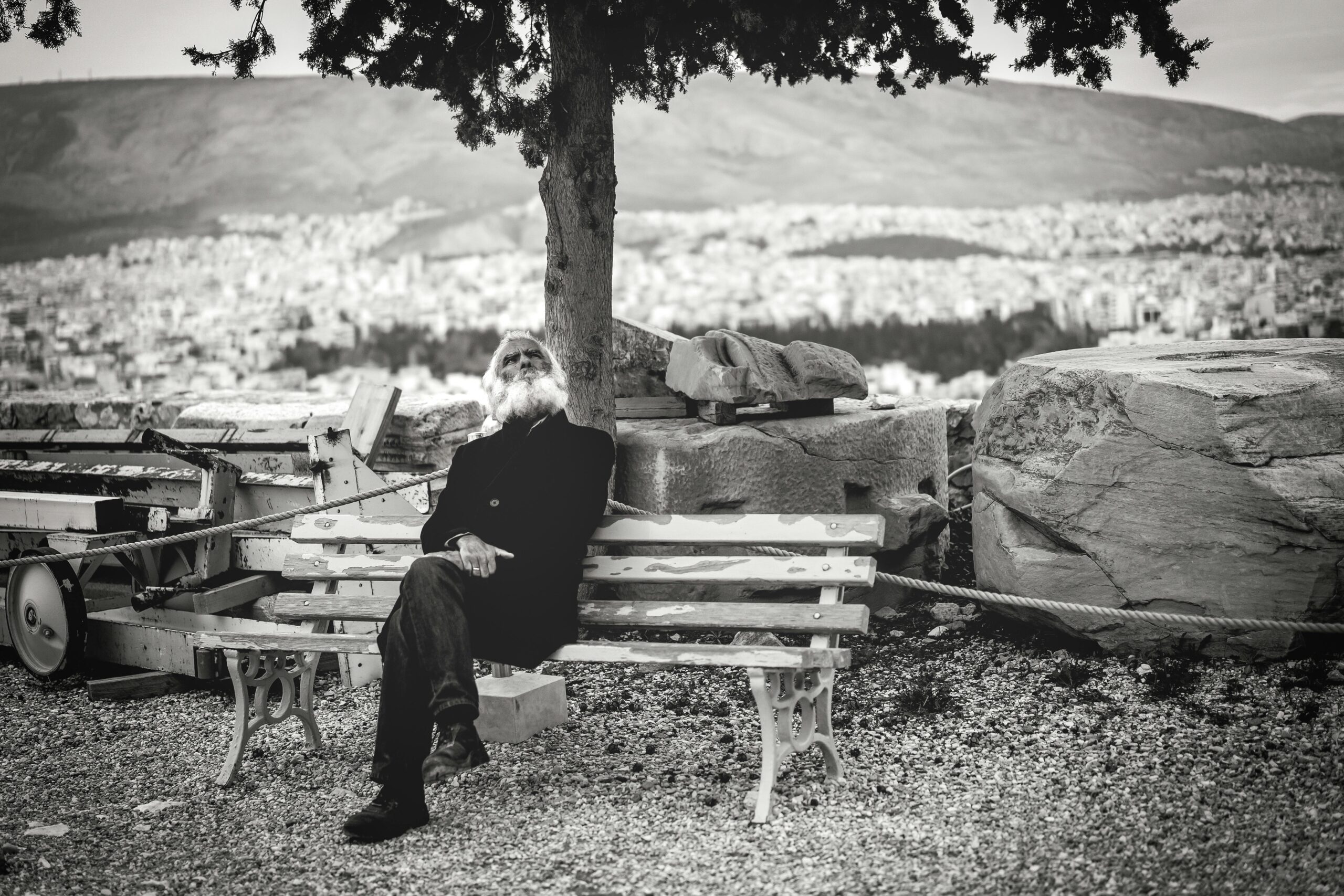
Public spaces shape how we move, interact, and feel every day. Behavioral design transforms these environments into powerful catalysts for positive human behavior and community engagement.

🎯 Understanding Behavioral Design in Urban Contexts
Behavioral design merges psychology, architecture, and urban planning to create environments that naturally guide people toward desired actions. Unlike traditional design approaches that focus purely on aesthetics or functionality, behavioral design considers the subconscious triggers that influence human decision-making in shared spaces.
The concept draws heavily from behavioral economics and cognitive psychology, particularly the work of researchers like Daniel Kahneman and Richard Thaler. Their insights into how humans make decisions under various conditions provide the foundation for designing spaces that work with our natural tendencies rather than against them.
When applied to public spaces, behavioral design becomes a tool for solving complex urban challenges. From reducing littering to encouraging physical activity, from improving traffic flow to fostering social connections, the strategic arrangement of environmental elements can achieve remarkable results without restrictive rules or heavy-handed enforcement.
The Psychology Behind Space and Behavior 🧠
Human behavior in public spaces follows predictable patterns rooted in evolutionary psychology and learned social norms. We instinctively seek paths of least resistance, gravitate toward well-lit areas, and respond to visual cues that signal safety, cleanliness, and order.
The broken windows theory, introduced by social scientists James Wilson and George Kelling, demonstrates how environmental signals dramatically affect behavior. A well-maintained space with clear signs of care encourages respectful use, while neglected environments invite further deterioration. This principle underlies many successful behavioral design interventions in cities worldwide.
Prospect-refuge theory explains why certain spatial configurations feel more comfortable than others. People prefer positions where they can observe their surroundings while feeling protected—a preference inherited from our ancestors who needed to watch for threats while remaining concealed. Public spaces that balance openness with intimate alcoves naturally attract more sustained use.
The Role of Nudges in Environmental Design
Nudges are subtle design interventions that steer behavior without restricting freedom of choice. In public spaces, nudges might include footprint decals leading to stairs instead of escalators, or piano key stairs that make climbing more engaging and fun. These interventions leverage our natural tendencies toward play, curiosity, and following visual guidance.
The key to effective nudges lies in their invisibility. The best behavioral design feels natural and unforced, allowing people to believe they’re acting on their own volition while being gently guided toward better choices for themselves and their community.
🏙️ Transforming Streets and Sidewalks
Streets and sidewalks form the connective tissue of urban life, yet they’re often designed primarily for vehicular traffic rather than human experience. Behavioral design reimagines these spaces as dynamic social environments that encourage walking, cycling, and spontaneous interaction.
Tactical urbanism demonstrates the power of small-scale interventions to transform street behavior. Temporary installations like painted crosswalks, parklets, and pop-up seating areas test behavioral design concepts quickly and affordably. When successful, these experiments inform permanent changes that reshape how communities use their streets.
Copenhagen’s conversion of car-dominated streets into pedestrian zones provides compelling evidence of behavioral design’s impact. As walking infrastructure improved, cycling and pedestrian traffic increased dramatically, creating vibrant public life where cars once dominated. The key wasn’t just removing vehicles but strategically designing the space to invite human-scaled activity.
Wayfinding and Intuitive Navigation
Effective wayfinding systems reduce cognitive load and stress in public environments. Clear sightlines, consistent signage, and natural landmarks help people navigate confidently without conscious effort. When navigation feels effortless, people explore more freely and engage more deeply with their surroundings.
Color coding, material changes, and elevation variations create intuitive boundaries and pathways without physical barriers. These subtle cues guide movement patterns while maintaining visual openness and accessibility. The best wayfinding systems work across language barriers and for people with varying abilities.
Creating Gathering Spaces That Draw People In ✨
Successful public gathering spaces share common design elements that trigger social behavior. Movable seating gives people control over their environment, encouraging longer stays and group formation. Multiple seating orientations accommodate both social groups and individuals seeking solitude.
The concept of “triangulation,” coined by urban sociologist William H. Whyte, describes how external stimuli create bonds between people and prompt strangers to interact. Public art, street performers, fountains, and food vendors serve as conversation starters and gathering magnets, transforming anonymous spaces into social environments.
Microclimate control significantly affects space usage patterns. Shade structures, wind protection, and heating elements extend usability across seasons and times of day. People naturally gravitate toward thermally comfortable zones, making climate design a critical component of behavioral planning.
The Power of Flexible Design
Rigid, single-purpose spaces limit behavioral possibilities. Flexible designs that accommodate multiple activities attract diverse users throughout the day and across seasons. Open lawns that serve as picnic spots, exercise areas, and event venues maximize utility while allowing communities to shape space usage organically.
Movable elements—from chairs and tables to planters and art installations—enable spaces to evolve with community needs. This adaptability signals that the space belongs to its users rather than being imposed upon them, fostering ownership and care.
🌳 Green Spaces and Biophilic Design
Humans possess an innate connection to nature—a phenomenon called biophilia. Integrating natural elements into public spaces reduces stress, improves mood, and encourages healthy behaviors. Even small doses of greenery in urban environments produce measurable psychological benefits.
The strategic placement of vegetation influences movement patterns and activity zones. Trees create natural pathways through shade patterns, while planted buffers define spaces without hard barriers. Edible landscapes in community gardens add layers of engagement by inviting active participation rather than passive observation.
Water features provide multiple behavioral benefits. The sound of moving water masks urban noise pollution, creating acoustic comfort that encourages lingering. Fountains and splash pads draw children, while reflective pools offer contemplative spaces for adults. Interactive water elements transform passive viewers into active participants.
Seasonal Programming and Natural Cycles
Behavioral design that acknowledges seasonal changes maintains year-round engagement. Winter ice skating rinks transform into summer spray parks. Deciduous trees provide shade in summer and allow warming sunlight in winter. Design elements that celebrate seasonal transitions create reasons for repeated visits and sustained community connection.
Safety Through Design: The CPTED Approach 🛡️
Crime Prevention Through Environmental Design (CPTED) applies behavioral principles to enhance safety without creating fortress-like environments. Natural surveillance—designing spaces where people can easily observe activities—deters problematic behavior while maintaining openness and accessibility.
Adequate lighting extends usability into evening hours while signaling safety and care. However, effective lighting design balances visibility with avoiding harsh, uncomfortable illumination that drives people away. Layered lighting at human scale creates warmth while maintaining clear sightlines.
Territorial reinforcement through design elements helps legitimate users feel ownership while signaling to potential offenders that the space is cared for and monitored. Clear boundaries between public and private spaces, maintained landscaping, and visible activity all contribute to perceived safety.
Addressing Antisocial Behavior Humanely
Hostile architecture—benches with armrests preventing lying down, spikes under bridges—represents behavioral design’s dark side. While intended to deter specific behaviors, these approaches often target vulnerable populations and create unwelcoming environments for everyone.
More humane behavioral design addresses root causes rather than punishing symptoms. Providing adequate public restrooms reduces public urination. Creating legitimate gathering spaces with programming and amenities channels social energy positively rather than simply displacing it elsewhere.
🚶♀️ Encouraging Active Transportation and Movement
Sedentary lifestyles represent a major public health challenge that behavioral design can address. Making stairs more visible and attractive than elevators, creating engaging walking routes, and providing secure bike parking all nudge people toward more active choices.
The Dutch approach to cycling infrastructure demonstrates comprehensive behavioral design. Protected bike lanes, intuitive routing, dedicated traffic signals, and abundant parking create a complete system where cycling becomes the easiest choice rather than requiring special motivation or courage.
Gamification elements add playful incentives to physical activity. Interactive installations that respond to movement, fitness trails with challenge stations, and augmented reality experiences transform exercise from a chore into an engaging activity. These approaches particularly resonate with younger users while maintaining accessibility for all ages.
The 15-Minute City Concept
Behavioral design supports urban planning concepts like the 15-minute city, where essential services lie within a short walk or bike ride. When daily needs are accessible without cars, people naturally adopt more active transportation modes. This requires strategic placement of amenities alongside infrastructure that makes walking and cycling safe and pleasant.
Technology Integration and Smart Spaces 📱
Digital technology creates new behavioral design possibilities in public spaces. Interactive displays, responsive lighting, and sensor networks enable environments that adapt to real-time conditions and usage patterns. However, technology should enhance rather than dominate the human experience.
Free public WiFi attracts users while enabling new forms of engagement. Digital wayfinding systems update in real-time based on events and conditions. QR codes connect physical spaces to digital information layers, providing depth without cluttering the visual environment.
Data collection through sensors and cameras raises important privacy considerations. Ethical behavioral design balances the benefits of understanding space usage with respecting individual privacy and autonomy. Transparency about data collection and clear community benefit help build trust in technology-enhanced public spaces.
🎨 Art, Play, and Unexpected Delight
Public art serves behavioral design purposes beyond aesthetics. Murals create landmarks and photo opportunities that draw visitors. Sculptures provide gathering points and conversation starters. Interactive installations transform passive observers into active participants, deepening engagement with place.
Playful design elements aren’t just for children. Adults respond positively to whimsy and surprise in their environments. Swings, musical instruments, and interactive light displays create joyful moments that build emotional connections to place and community.
The concept of “loose parts”—movable, manipulable objects—invites creative interaction. Chalkboards, building blocks, and rearrangeable seating give people agency to shape their environment. This participatory aspect fosters ownership and care while accommodating diverse preferences and needs.
Measuring Impact and Iterating Design 📊
Effective behavioral design requires measuring outcomes and refining approaches. Baseline data on space usage, behavior patterns, and community satisfaction establish benchmarks for evaluating interventions. Post-implementation monitoring reveals what works and what needs adjustment.
Multiple measurement methods provide comprehensive understanding. Observational studies track how people actually use spaces. Surveys capture subjective experience and satisfaction. Sensors and cameras offer quantitative data on traffic patterns and dwell times. Combining these approaches reveals the full impact of design choices.
Iteration based on evidence separates effective behavioral design from guesswork. Temporary installations allow testing concepts before permanent investment. Adaptive management approaches embrace learning and adjustment rather than assuming initial designs are final. This experimental mindset produces spaces that truly serve community needs.
Building Community Through Participatory Design 🤝
The most successful public spaces emerge from genuine community engagement. Participatory design processes ensure interventions address actual needs and preferences rather than designer assumptions. When communities co-create their spaces, they develop ownership that extends beyond design into long-term stewardship.
Diverse participation is essential. Public meetings during business hours exclude working people. Digital-only engagement misses those without internet access. Truly inclusive processes employ multiple outreach methods and actively seek voices typically marginalized in planning discussions.
Pop-up demonstrations and pilot programs let communities experience proposed changes before permanent implementation. This reduces resistance to change while providing valuable feedback. Seeing and experiencing potential futures proves more effective than reviewing abstract plans and renderings.
Sustaining Behavioral Change Over Time 🌱
Initial enthusiasm for new public spaces often fades without sustained programming and maintenance. Behavioral design must account for long-term engagement, not just opening-day crowds. Regular events, rotating art installations, and seasonal activities provide reasons for repeated visits and sustained community connection.
Maintenance standards communicate ongoing care and respect. The broken windows theory applies positively too—well-maintained spaces encourage respectful use and community pride. Regular upkeep prevents the deterioration that invites problematic behavior and drives away legitimate users.
Community stewardship programs extend professional maintenance while building ownership. Adopt-a-park initiatives, volunteer cleanup days, and community gardens create active relationships between residents and their public spaces. This ongoing engagement sustains the behavioral patterns that good design initiates.
The Future of Behaviorally-Designed Public Spaces 🚀
Climate change demands public spaces that help communities adapt to environmental challenges. Cooling stations, flood-resistant design, and climate refuges become behavioral design priorities. Spaces that provide comfort during extreme weather events serve essential public health functions while maintaining community connection.
Demographic shifts toward aging populations and increasing diversity require flexible, inclusive design approaches. Universal design principles ensure spaces work for people of all abilities. Cultural sensitivity acknowledges different comfort levels with various activities and spatial configurations.
The pandemic revealed the critical importance of public space for mental health and community resilience. Behavioral design that facilitates both social connection and personal space, outdoor gathering areas, and distributed amenities will shape post-pandemic urban life. The lessons learned inform more resilient, adaptable public spaces going forward.
As cities grow denser, behavioral design becomes increasingly important for maintaining quality of life. Strategic interventions that guide behavior without restricting freedom create functional, humane urban environments. The power lies not in forcing compliance but in designing spaces that make positive choices natural, easy, and appealing.
Public spaces designed with behavioral insights foster healthier, happier, more connected communities. From subtle nudges that encourage physical activity to flexible designs that accommodate diverse needs, thoughtful environmental interventions shape daily life in profound ways. The future of urban design lies in understanding human behavior and creating spaces that bring out our best collective selves.