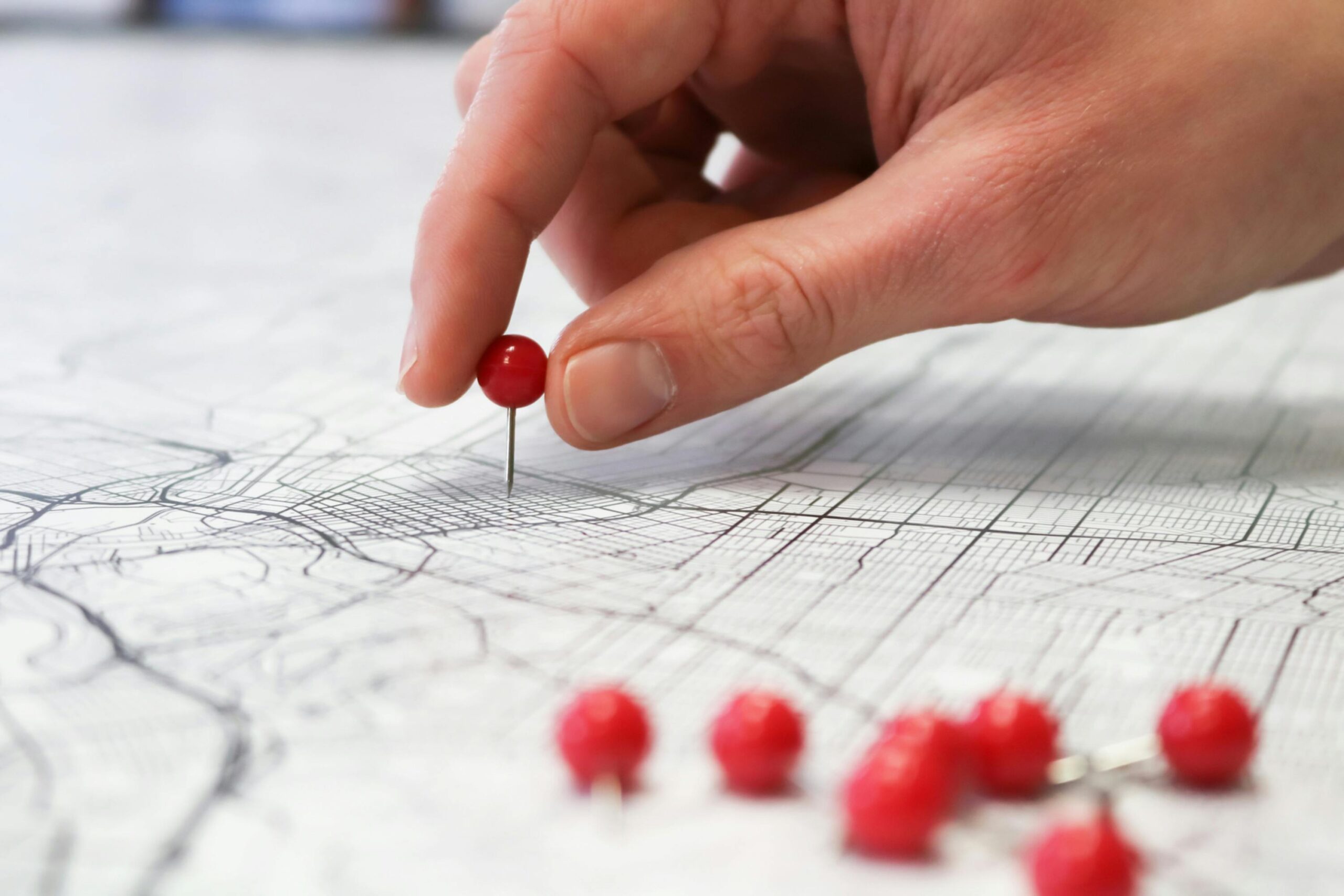
Climate change is reshaping our world, demanding that cities evolve from static infrastructures into dynamic, adaptive ecosystems capable of withstanding environmental challenges while ensuring quality of life.

🌍 Understanding the Urgent Need for Climate-Adaptive Urban Design
Urban areas house more than half of the global population, a figure projected to reach 68% by 2050. This rapid urbanization coincides with intensifying climate impacts—rising temperatures, extreme weather events, sea-level rise, and unpredictable precipitation patterns. Traditional urban planning models, designed for predictable environmental conditions, are proving inadequate for our climate-altered reality.
Climate-adaptive urban planning represents a paradigm shift from reactive disaster management to proactive resilience building. It integrates climate science, ecological principles, and innovative design to create cities that not only survive environmental stresses but thrive despite them. This approach recognizes that urban resilience isn’t merely about physical infrastructure—it encompasses social cohesion, economic stability, and environmental health.
The economic imperative is equally compelling. The World Bank estimates that climate-related disasters could push more than 100 million people into poverty by 2030. Conversely, investing in climate adaptation generates substantial returns—studies suggest every dollar spent on resilience saves approximately six dollars in future disaster costs.
🏙️ Core Principles of Climate-Resilient Urban Planning
Effective climate-adaptive planning rests on several foundational principles that guide decision-making and implementation strategies across diverse urban contexts.
Flexibility and Adaptive Capacity
Resilient cities must accommodate uncertainty. Rather than designing for fixed climate projections, adaptive planning creates flexible systems capable of adjusting to various scenarios. This might include modular infrastructure that can be expanded or modified, zoning regulations that allow for changing land uses, or multi-functional spaces that serve different purposes under different conditions.
Nature-Based Solutions Integration
Green infrastructure provides cost-effective climate adaptation while delivering multiple co-benefits. Urban forests reduce heat island effects by up to 5°C, wetlands absorb flood waters, and bioswales filter stormwater runoff. These natural systems often outperform gray infrastructure in resilience, requiring less maintenance while supporting biodiversity and improving air quality.
Social Equity and Inclusive Design
Climate impacts disproportionately affect vulnerable populations—low-income communities, elderly residents, and marginalized groups. Climate-adaptive planning must prioritize equitable access to cooling centers, green spaces, flood protection, and emergency services. Inclusive planning processes ensure that all community voices shape resilience strategies.
Systems Thinking and Cross-Sector Integration
Urban systems are interconnected—energy, water, transportation, housing, and health infrastructure influence one another. Effective climate adaptation requires coordinated planning across departments and sectors, breaking down traditional silos to create synergistic solutions that address multiple challenges simultaneously.
🌡️ Addressing Urban Heat Islands Through Strategic Design
Urban heat islands—where cities experience temperatures significantly higher than surrounding rural areas—pose serious health risks and increase energy consumption. Climate-adaptive planning employs multiple strategies to mitigate excessive urban heat.
Increasing tree canopy coverage stands as one of the most effective interventions. Strategic tree placement along streets, in parks, and around buildings provides shade, evaporative cooling, and improved air quality. Cities like Singapore mandate greenery coverage ratios in new developments, ensuring vegetation becomes integral to urban fabric rather than an afterthought.
Cool roofs and pavements reflect solar radiation rather than absorbing it. Light-colored roofing materials, reflective coatings, and permeable pavements reduce surface temperatures by 20-30°C compared to conventional materials. Los Angeles has coated over 300 miles of streets with reflective sealant, lowering neighborhood temperatures and improving walkability.
Building design significantly influences microclimate. Proper building orientation maximizes natural ventilation, while strategic placement creates shaded corridors and channels cooling breezes through neighborhoods. Mixed-height development patterns prevent heat accumulation by allowing air circulation.
💧 Water-Sensitive Urban Design for Flood Resilience
Climate change intensifies precipitation extremes—longer droughts punctuated by severe flooding events. Water-sensitive urban design transforms cities’ relationship with water from drainage-focused to regenerative systems management.
Sponge city concepts, pioneered in China and now spreading globally, enable urban areas to absorb, store, and purify rainwater like natural sponges. These systems include permeable surfaces, rain gardens, bioretention basins, and underground storage facilities that capture stormwater for later use, reducing flood risk while addressing water scarcity.
Blue-green infrastructure networks integrate water management with ecological corridors. Restored urban streams, constructed wetlands, and detention ponds provide habitat while managing water flow. Copenhagen’s Cloudburst Management Plan exemplifies this approach, creating urban spaces that function as parks during normal conditions and water retention areas during extreme rainfall.
Decentralized water systems increase resilience by reducing dependency on centralized infrastructure vulnerable to climate disruptions. Rainwater harvesting, greywater recycling, and localized treatment facilities diversify water sources and reduce strain on aging municipal systems.
🚇 Climate-Responsive Transportation Networks
Transportation infrastructure faces dual challenges—reducing greenhouse gas emissions while adapting to climate impacts that threaten existing systems. Climate-adaptive transportation planning addresses both simultaneously.
Transit-oriented development reduces vehicle dependency while creating compact, walkable neighborhoods that consume less energy and resources. High-quality public transportation powered by renewable energy provides low-carbon mobility while being less vulnerable to flooding than dispersed road networks.
Active transportation infrastructure—pedestrian pathways and cycling networks—promotes zero-emission mobility while improving public health. Climate-adaptive design ensures these networks remain functional during extreme weather through shading, drainage, and route redundancy.
Infrastructure elevation and flood-proofing protect critical transportation assets. New York’s post-Hurricane Sandy resilience measures include raising subway ventilation grates, installing flood barriers, and improving drainage systems to protect the nation’s largest transit network from future storm surges.
🏘️ Resilient Housing and Building Standards
Buildings account for approximately 40% of global energy consumption and must evolve to withstand climate challenges while minimizing environmental impact.
Energy-efficient building codes reduce cooling and heating demands through improved insulation, efficient windows, and passive design strategies. Net-zero energy buildings generate as much renewable energy as they consume, eliminating operational emissions while maintaining comfort during grid disruptions.
Climate-resilient construction standards address region-specific threats. In coastal areas, this includes elevated foundations, flood-resistant materials, and hurricane-proof design. In fire-prone regions, ember-resistant construction and defensible space requirements reduce vulnerability.
Retrofit programs upgrade existing building stock, which will comprise 60-70% of buildings in 2050. Comprehensive retrofit initiatives improve energy efficiency, install renewable energy, enhance ventilation, and strengthen structural resilience against extreme weather.
📊 Data-Driven Decision Making for Urban Resilience
Climate-adaptive planning requires robust data collection, analysis, and visualization to inform evidence-based decisions and track resilience progress.
Climate modeling at urban scales provides localized projections of temperature changes, precipitation patterns, and extreme event probabilities. High-resolution modeling identifies climate vulnerability hotspots, enabling targeted interventions where they’re needed most.
Urban sensors and IoT networks monitor real-time conditions—temperature, air quality, water levels, energy consumption—providing early warnings and operational intelligence. These systems enable dynamic responses to emerging conditions, optimizing resource allocation and emergency response.
Geographic Information Systems (GIS) integrate diverse data layers—topography, infrastructure, demographics, climate projections—revealing relationships and patterns invisible in isolated datasets. Spatial analysis identifies optimal locations for green infrastructure, evacuation routes, and climate shelters.
Digital twins—virtual replicas of physical cities—allow planners to test interventions in simulated environments before implementation. These models can explore how different design scenarios perform under various climate futures, reducing costly mistakes and optimizing outcomes.
🤝 Community Engagement and Social Resilience
Technical solutions alone cannot create resilient cities. Social cohesion, local knowledge, and community participation prove essential for effective climate adaptation.
Participatory planning processes ensure local expertise informs resilience strategies. Community members understand neighborhood-specific vulnerabilities, historical patterns, and social dynamics that technical analyses might miss. Co-design approaches create solutions that communities embrace and maintain.
Climate education and awareness programs build adaptive capacity by helping residents understand risks, recognize warning signs, and take protective actions. Community-based adaptation training empowers neighborhoods to organize emergency response, share resources, and support vulnerable members during climate events.
Social infrastructure—community centers, libraries, places of worship—functions as critical resilience assets. These gathering places serve as cooling centers during heat waves, emergency shelters during disasters, and coordination hubs for recovery efforts. Climate-adaptive planning strengthens these spaces to fulfill resilience roles.
💰 Financing Climate-Adaptive Urban Development
Implementing comprehensive climate adaptation requires substantial investment, necessitating innovative financing mechanisms that mobilize public and private capital.
Green bonds specifically fund environmental projects, attracting socially responsible investors while financing resilience infrastructure. Cities worldwide have issued billions in green bonds supporting renewable energy, green buildings, sustainable transportation, and climate adaptation projects.
Public-private partnerships leverage private sector efficiency and capital while maintaining public oversight. These arrangements can finance large-scale resilience projects—flood protection systems, renewable energy networks, transit infrastructure—that exceed municipal budget capacity.
Performance-based financing ties funding to measurable resilience outcomes rather than outputs. This approach incentivizes effective solutions and allows flexibility in implementation methods while ensuring accountability for results.
Climate risk insurance and resilience bonds provide financial protection against disasters while incentivizing preventive investments. These instruments can reduce recovery costs and accelerate rebuilding when climate events occur.
🌱 Leading Examples of Climate-Adaptive Cities
Several cities worldwide demonstrate how comprehensive climate-adaptive planning transforms urban resilience.
Rotterdam, Netherlands, embraces living with water rather than fighting it. The city’s climate adaptation strategy includes water plazas that serve as recreational spaces during dry periods and water storage during floods, floating pavilions, green roofs storing rainwater, and amphibious housing that rises with water levels.
Medellín, Colombia, transformed from one of the world’s most dangerous cities into a model of social innovation and climate adaptation. Green corridors—30 interconnected parks and vegetation strips—reduce temperatures, improve air quality, provide transportation routes, and create social spaces in previously neglected neighborhoods.
Singapore’s comprehensive approach integrates nature throughout the city-state. The government’s “City in a Garden” vision includes vertical greenery on buildings, extensive park networks, urban farming initiatives, and advanced water management recycling all wastewater for drinking and industrial use.
🔮 Emerging Technologies Shaping Future Urban Resilience
Technological innovation continues expanding possibilities for climate-adaptive urban planning, offering new tools for monitoring, prediction, and response.
Artificial intelligence and machine learning analyze vast datasets to identify patterns, predict vulnerabilities, and optimize resilience strategies. AI-powered systems can forecast flood risks, optimize energy distribution during heat waves, and coordinate emergency responses more effectively than traditional approaches.
Advanced materials science produces climate-responsive building materials—phase-change materials that store and release thermal energy, self-healing concrete that repairs cracks, and bio-based materials that sequester carbon while providing structural function.
Renewable energy microgrids with battery storage create energy resilience, maintaining power during grid disruptions from extreme weather. Distributed generation reduces transmission losses while enabling communities to function independently when necessary.
🎯 Implementing Your City’s Climate Adaptation Strategy
Translating climate-adaptive planning principles into action requires systematic approaches tailored to local contexts, capacities, and priorities.
Begin with comprehensive vulnerability assessments identifying specific climate risks, exposed populations, and critical infrastructure. These assessments establish baselines for measuring progress and prioritizing interventions where they’ll have greatest impact.
Develop integrated adaptation plans with clear goals, timelines, responsibilities, and performance indicators. Effective plans balance immediate actions addressing current vulnerabilities with long-term strategies preparing for future conditions.
Mainstream climate considerations into all planning processes rather than treating adaptation as separate. Integration ensures resilience thinking influences land-use decisions, building codes, infrastructure investments, and economic development strategies.
Build institutional capacity through training, interdepartmental coordination mechanisms, and dedicated resilience staff or offices. Organizational changes often prove as important as technical interventions for sustaining long-term adaptation efforts.
Establish monitoring and evaluation systems tracking resilience indicators over time. Regular assessment enables adaptive management—adjusting strategies based on what works, changing conditions, and new knowledge.
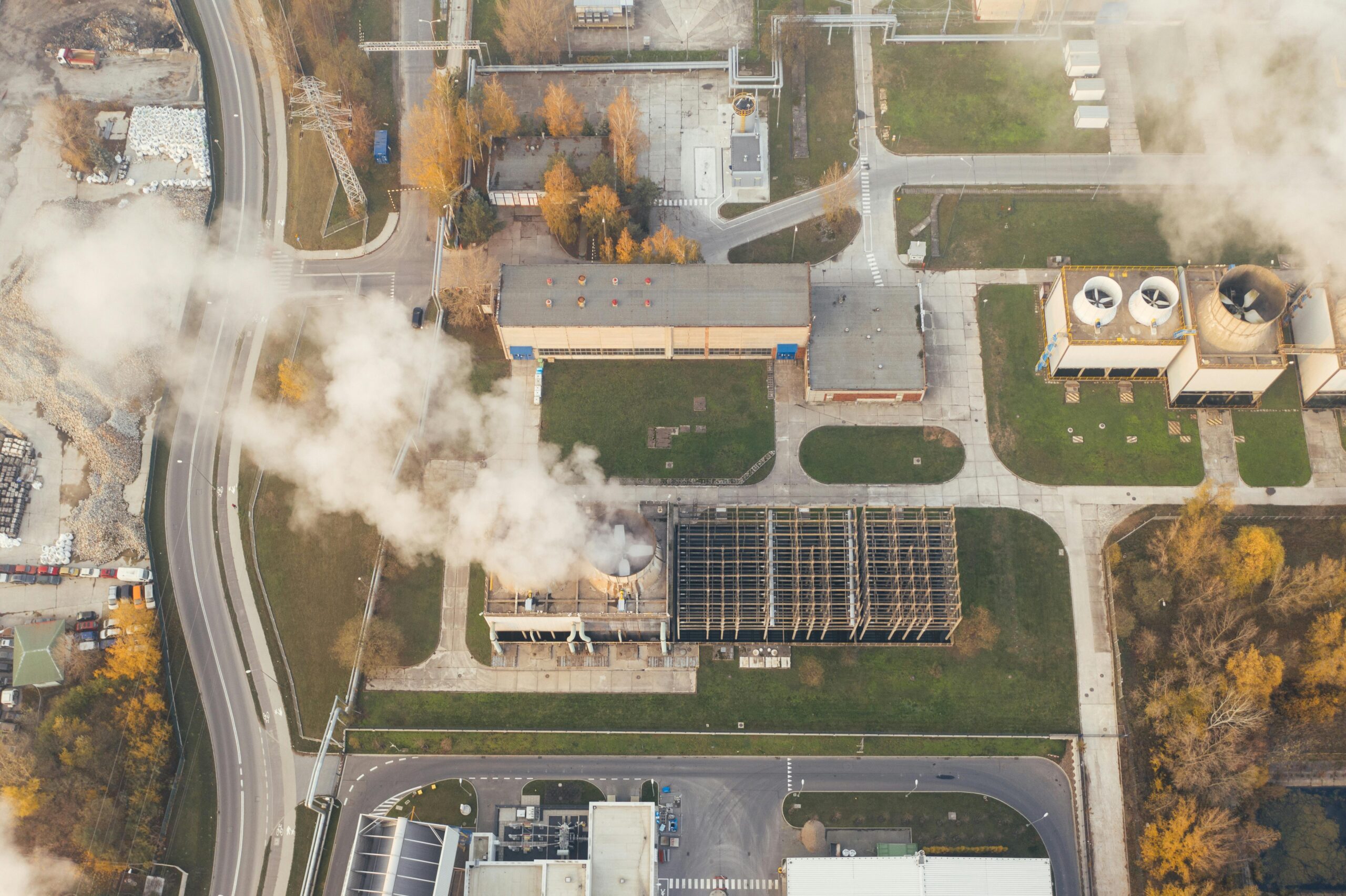
🌟 Creating Thriving Cities for Uncertain Futures
Climate-adaptive urban planning represents more than technical adjustments to infrastructure—it embodies a fundamental reimagining of cities as living systems capable of learning, evolving, and flourishing amid environmental change. The challenge is substantial, but the imperative is clear: we must transform our cities from climate vulnerabilities into climate solutions.
The cities we build today will shape human wellbeing for generations. By embracing climate-adaptive planning principles, integrating nature-based solutions, prioritizing equity, leveraging technology, and engaging communities, we can create urban environments that don’t merely survive climate change but emerge stronger, healthier, and more livable.
Every planning decision, every infrastructure investment, every building design represents a choice—to perpetuate vulnerability or build resilience. The knowledge, tools, and examples exist to guide transformative change. What remains is the collective will to act with the urgency this moment demands, creating sustainable futures where both cities and nature thrive together.
The resilient cities of tomorrow are being designed today. Through visionary leadership, innovative solutions, community partnership, and sustained commitment, we can ensure those cities provide security, opportunity, and quality of life for all residents, regardless of what climate challenges emerge on the horizon.